 how-to
Why Curated Nature Photography Collections Work Better
Quick Summary
A curated nature photography collection is a set of images chosen to work together, usually from one photographer's body of work, so the pieces share light, color or a sense of place. Curation makes a wall feel intentional, saves guesswork, and helps the images match over time.
- Curated sets usually share one photographer's style, one place, or common color tones.
- A collection mixing many styles, from bright beach shots to moody forests, can look scattered on a wall.
- Individual prints suit a single statement piece, while curated sets suit matching multiple walls or rooms.
- Check the file's pixel dimensions against your planned print size before buying.
- Budget for files, printing, framing and shipping, and add a buffer for test prints.
Table of Contents
- Curated Collection Versus Choosing Individual Prints
- How to Assess Print Quality Before You Buy
- Matching a Collection to Your Room and Interior Style
- Budgeting for a Collection and Choosing Your Next Step
- Frequently Asked Questions
What a Curated Nature Photography Collection Actually Is
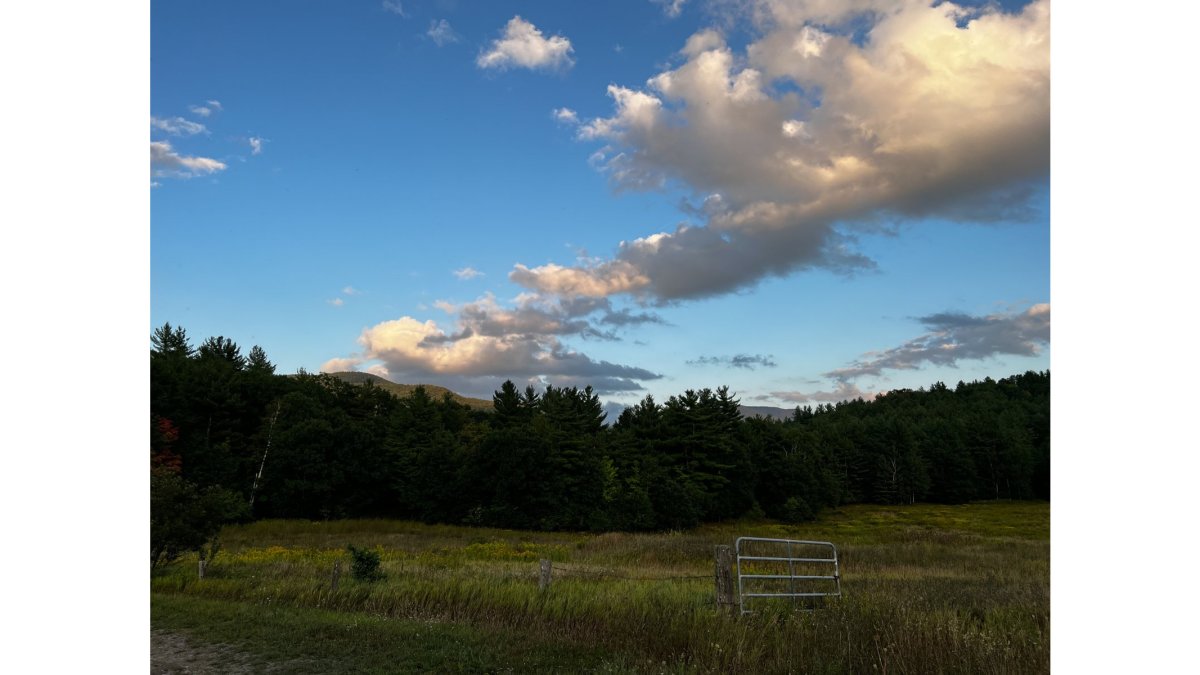
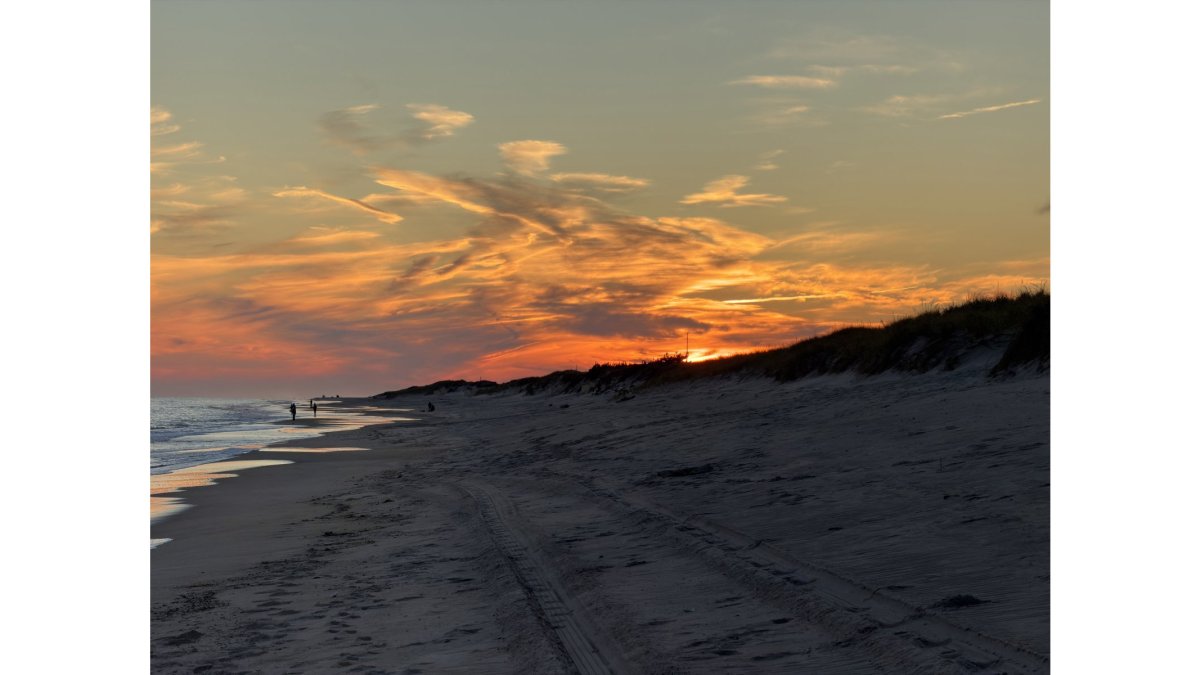
Most people picture a single nice landscape hung over the sofa. A curated nature photography collection is different. It is a set of images chosen to work together, usually from one photographer's body of work, so the pieces share a light, a color palette or a sense of place. Photos by Mark Page builds its collection around nature and everyday moments, offered as high-quality digital downloads.
The word "curated" matters here. Someone has made choices about which images belong together and which do not. That selection work is what turns a pile of photos into a room that feels intentional.
A curated collection usually includes:
- Images from one photographer's style or one place
- Pieces that share color tones or mood
- A range of scales, such as wide landscapes and close-up details
- Sets sized to match common frame and wall dimensions
Watch out: A collection that mixes many styles, from bright beach shots to moody forests, often looks scattered on a wall. Look for consistency before you buy.
Curated nature photography is also about calm. The work aims to help people slow down and appreciate the world around them.
Curated Collection Versus Choosing Individual Prints
Buying single prints one at a time feels simple. You see a picture you like, you buy it, and you hang it. The trouble comes later, when those separate purchases do not match. Colors clash, frame styles differ, and the wall looks busy.
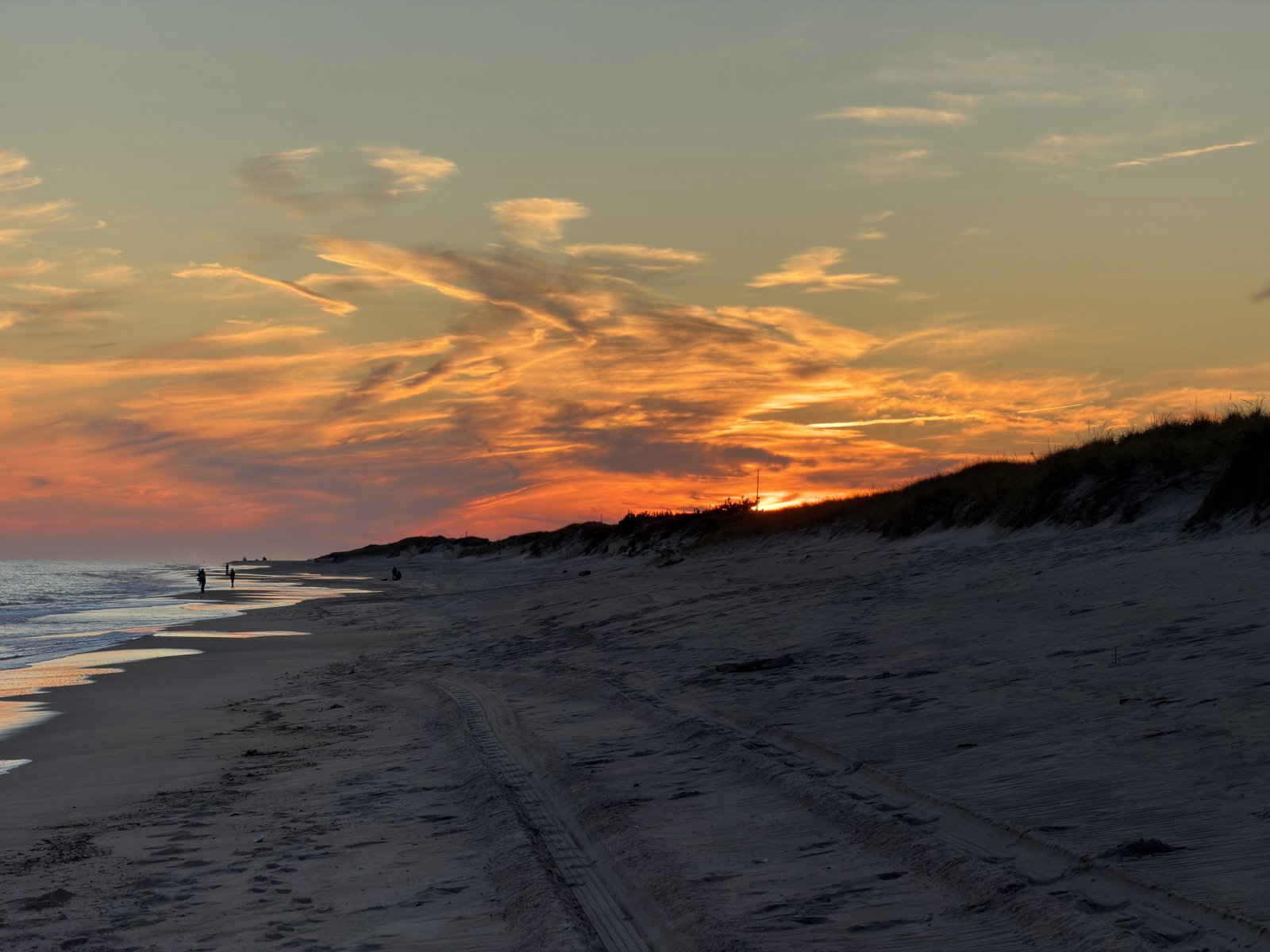
A curated collection solves that problem up front. The images have already been chosen to sit together, which saves you the guesswork of testing combinations yourself.
Individual prints still have a place. They suit a single statement piece or a room where you want one strong focal point. The choice comes down to your goal.
| Option | Best for | Main trade-off |
|---|---|---|
| Curated collection | Matching multiple walls or rooms | Less freedom to pick each image |
| Individual prints | One statement piece | Harder to match over time |
| Mixed approach | Building a collection slowly | Needs careful color planning |
Many buyers start with a few individual pieces, then add curated sets as their taste becomes clearer. Either route works, as long as you plan for how the images will look together.
How to Assess Print Quality Before You Buy
Digital art only looks good on your wall if the print is sharp, the colors hold, and the materials last. Learn how to print digital art for home decor without losing quality. Many buyers feel let down by digital downloads because the printed result looks different from the screen, or because a thin paper buckles in the frame within a year. Knowing what to check, and what a seller should be able to tell you, helps you avoid that.
Start with resolution and file dimensions. Higher-resolution files print more detail at larger sizes. Ask for the pixel dimensions and compare them to the print size you plan to use. A file that looks sharp on a phone may blur when enlarged. If the seller only offers a smaller file, plan a smaller print rather than stretching it.
Next, ask how the file was prepared, including its color profile and file format. Ask whether a higher-quality file is available for large prints.
Then think about the paper and printing method you choose. Matte and glossy finishes each suit different rooms, and fine-art papers are a common option for longevity. If longevity matters, ask the print lab which ink and paper combination it uses.
Quick checks before printing:
- Confirm the file's pixel dimensions match your planned print size at roughly 300 ppi
- Ask whether the file is color-managed and print-sharpened
- Print a small test copy and compare colors to your screen
- Choose matte, glossy or fine-art paper based on your room's lighting and your budget
- Use a print shop or printer with good color calibration
Framing and care affect how the print holds up. Keep frames out of direct sun to slow fading, and hang prints away from humid rooms such as bathrooms.
A common mistake is printing at the wrong size, which stretches or crops the image. Set your print settings to "actual size" or "fit to page" carefully, and check the crop preview before you commit.
Matching a Collection to Your Room and Interior Style
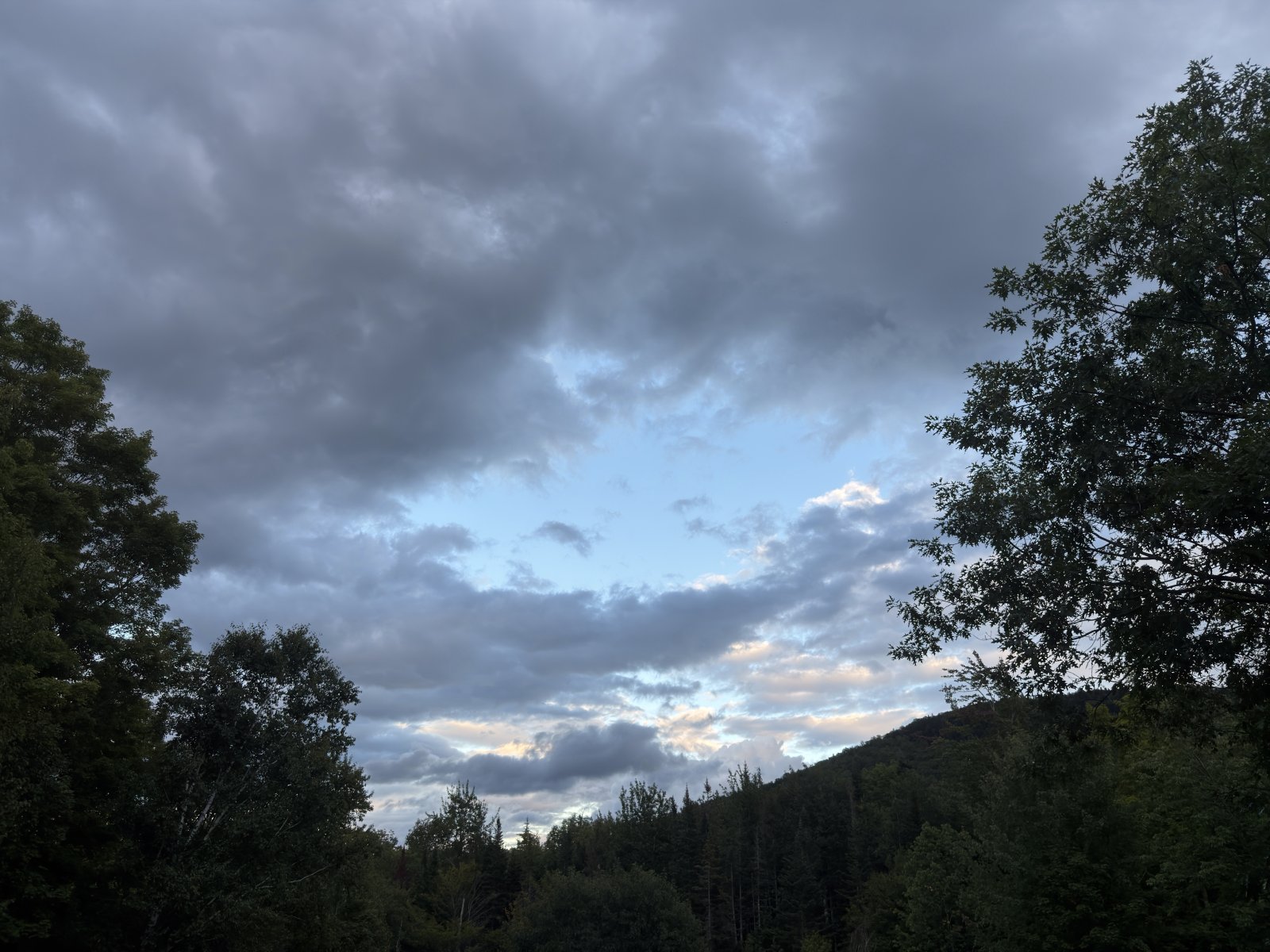
A nature print should suit the room it lives in. A calm home office benefits from soft blues, greens and muted earth tones, while a bedroom may call for something quieter still. Browse calming nature prints that work in a home office. Think about the wall's size, the furniture beneath it and the natural light in the space. See the range of ways digital photography can be displayed at home.
Here is a practical way to match a collection to a room:
- Measure the wall and note the largest empty area
- Pick two or three dominant colors already in the room
- Choose images with those colors as a starting point
- Mix sizes so the wall has a clear focal point and supporting pieces
You do not need to match the room exactly. Images that share a color thread with your furniture or rugs usually feel more settled than images that compete with them.
Building a Cohesive Gallery Wall
A gallery wall works best when the frames share a theme, even if the sizes vary. Start with the largest piece in the center, then build outward with smaller images. Leave even spacing, usually two to three inches between frames, so the group reads as one unit.
Lay the arrangement out on the floor before hanging anything. This lets you adjust the layout without making extra holes in the wall. Once you like the pattern, trace the frames on paper and tape the templates to the wall.
Budgeting for a Collection and Choosing Your Next Step
Pricing depends on how many images you want, the print size, and the paper and frames you choose. Because pricing varies, the useful move is to budget by category. Check Photos by Mark Page's website for current prices or a quote.
A practical way to plan is to split your budget into four buckets:
- Files or prints. Ask the seller for current pricing on the set you want, since quantity, file type and any custom work change the total.
- Printing. Get a quote for your largest planned size before you commit to a set.
- Framing. Frames and mats can be a significant part of the total cost.
- Shipping and replacements. Add a buffer for one or two test prints and for replacing anything damaged in transit.
A simple way to plan:
- Decide how many pieces your wall or room needs
- Set a total budget that covers files, printing, framing and shipping
- Add a small buffer for test prints and replacements
- Compare the total cost of a curated set against buying the same number of individual prints
Total cost of ownership matters more than the first invoice, since prints that fade or wear may need replacing sooner. Factor in your time, too: a curated set removes the guesswork of testing combinations, which is a real cost if you have ever bought a print that clashed with the room.
If you rent, you can still build a collection. Find affordable ways to decorate rental walls. Lightweight frames and removable hanging strips are common choices for rental walls.
Ready to begin? Browse the current lineup on the Photos by Mark Page website to find a set that suits your space and style. Start with one room, see how the collection feels, then expand from there.
Frequently Asked Questions
Do digital downloads of nature photography look good when printed?
They can, provided the file is high resolution and sized for the print you want. Check the file dimensions and the print size you plan to order before you buy, and use a print shop that can work from the file's native resolution. A file that looks sharp on a screen can look soft at a large size if it was not captured or exported at adequate resolution, so compare the pixel dimensions against the print size you plan to order.
Can I display nature photography if I rent my home?
Yes. Renters can use unframed prints held with removable adhesive strips or clip-style hangers, which generally leave less damage than nails. Check your lease before mounting anything. A curated set displayed in a lightweight frame can also be rearranged when you move, so you can keep the same collection in a new space without buying new art.
How do I arrange landscape prints on a wall?
Lay the prints on the floor first and move them until the spacing and balance feel right. Keep gaps between frames consistent, usually two to three inches, and align the group to a shared centre line or a shared bottom edge. Mixing sizes works well when the prints share a colour palette or horizon line, which helps a curated set read as one composition.
Why choose a curated collection over single prints?
A curated collection is built from images that share tone, colour and subject matter, which can make a wall look intentional rather than assembled piece by piece. Single prints suit a specific spot or a special piece, while a collection suits a room that needs a consistent visual theme.